
Ledger.com/Start® | Getting Started™ | Ledger®
Use Ledger.com/start to find clear information about device configuration, wallet access, and security practices.
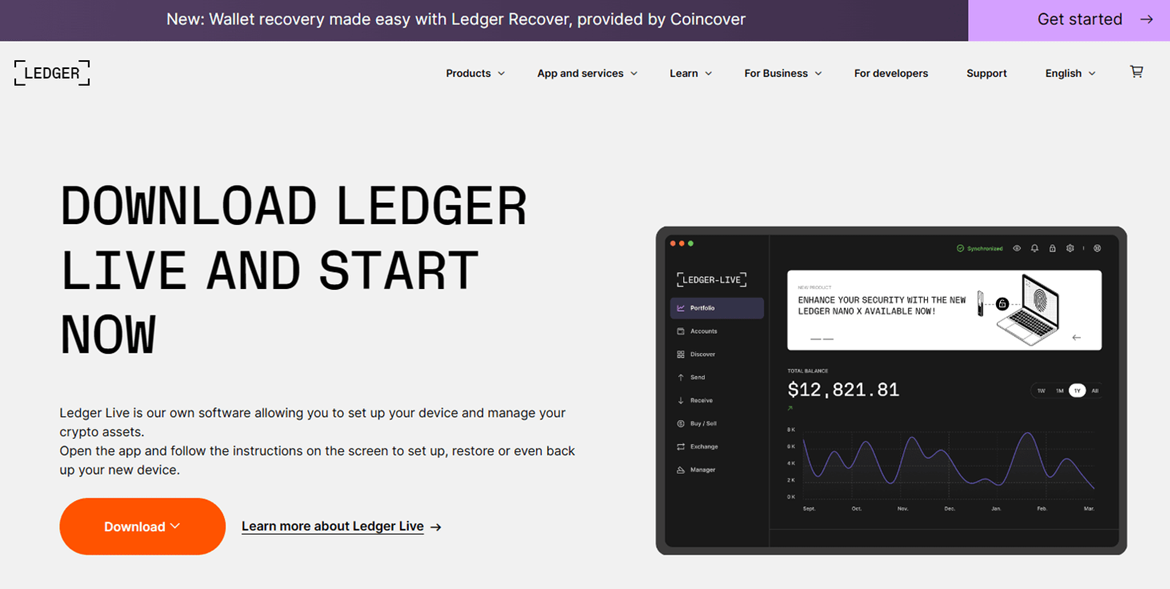
Ledger.com/start: A Practical Guide to Preparing Your Ledger Wallet Securely
Setting up a hardware wallet is an important step for anyone who wants greater control over their digital assets. Ledger.com/start can be used as a reference point for beginning the setup process and learning how a Ledger hardware wallet works. A careful setup routine helps users understand their device, protect recovery information, and develop responsible crypto management habits.
Understanding the Ledger Wallet Setup
Before starting, make sure the hardware wallet and its accessories are available and that the computer or mobile device being used is trusted. Following instructions from an official source can help reduce the risk of downloading counterfeit applications or interacting with fraudulent websites.
During setup, users may be guided through device initialization, security settings, and recovery information. Each stage should be completed carefully. Avoid rushing through prompts simply to finish the installation.
The recovery phrase deserves particular attention. It is an important backup credential and should be kept private and protected from unauthorized access.
How to Set Up Your Ledger Wallet
A simple setup workflow can include these general steps:
- Connect and inspect your Ledger hardware wallet.
- Access the official setup instructions through a trusted source.
- Install the supported Ledger wallet management software from an authentic source.
- Follow the device instructions to initialize or restore the wallet.
- Write down the recovery phrase only when the device instructs you to do so.
- Store the recovery phrase offline in a secure location.
- Complete the recommended security checks before managing assets.
Never type a recovery phrase into a website, email, online form, or chat. Anyone requesting it should be treated with caution.
How to Secure Your Ledger Wallet
Good security practices continue after the initial installation. Keep your recovery phrase offline and never share it with another person. Use strong device security, keep wallet software updated through trusted channels, and be cautious with unexpected messages or links.
When approving cryptocurrency transactions, carefully check the recipient address, amount, asset, and network. If the information displayed on the hardware wallet does not match your intended transaction, stop and investigate before confirming.
Key Benefits
Using a hardware wallet can provide several practical advantages:
- Greater control over private wallet credentials
- A dedicated device for transaction confirmation
- Offline protection for sensitive recovery information
- A structured approach to cryptocurrency self-custody
- Better awareness of transaction details before approval
Key Features to Explore
Once the wallet is configured, users can explore supported account-management features, portfolio information, transaction tools, and other available functionality through compatible Ledger software. Available features can vary by device, software version, and supported asset.
Additional Resources
For stronger crypto security, learn about phishing protection, recovery-phrase storage, transaction verification, software updates, and safe self-custody practices. Security awareness should remain an ongoing part of digital asset management.
Conclusion
Ledger.com/start can help users approach their Ledger hardware wallet setup in an organized way. Taking time to verify software sources, protect recovery information, review device prompts, and confirm transactions carefully can create better habits for long-term crypto management.
Updated about 4 hours ago